Cardanol Glycidyl Ether YLD-9006: Bio-Based Reactive Diluent
Oct 02, 2026
Cardanol glycidyl ether YLD-9006 is a bio-based monofunctional reactive diluent with viscosity 30-50 mPa·s at 25 °C and EEW 355-500 g/eq. It thins epoxy coatings, adhesives and potting compounds, and it comes from cashew nut shell liquid (CNSL). It carries one epoxide group on a C15 aliphatic chain.
Product Code: YLD-9006 — Cardanol Glycidyl Ether, monofunctional reactive diluentKey Raw Material: Cardanol from cashew nut shell liquid (CNSL) — CAS No. 171263-25-5Product Category: Reactive Diluent / Glycidyl Ether (Diluent & Glycidyl Ether line)
1. Product Information
Item
Information
Product Name
Cardanol glycidyl ethers YLD-9006
Chemical Family
Glycidyl ether of cardanol, a C15 phenolic alcohol distilled from cashew nut shell liquid
CAS No.
171263-25-5
Epoxide Functionality
1 — the product page describes YLD-9006 as a single epoxy-based active diluent
Appearance
Transparent liquid
Primary Use
Viscosity reduction in coatings, adhesives, potting and casting compounds, and composites
Packaging
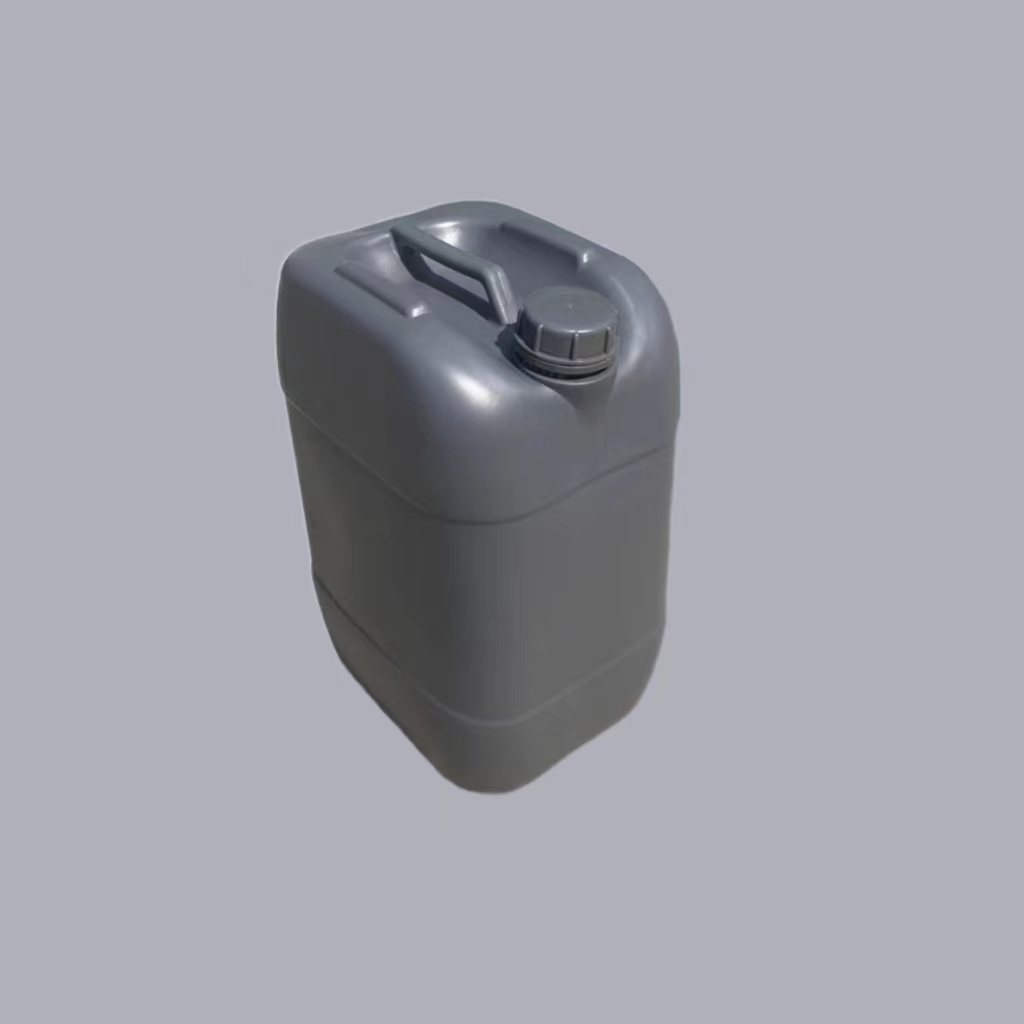
Drum
2. Product Description: What Cardanol Glycidyl Ether YLD-9006 Does in an Epoxy System
Cardanol glycidyl ether YLD-9006 is a reactive diluent, so it cures into the network instead of evaporating from the film.
One epoxide group sits at the end of a C15 aliphatic chain, and that structure explains most of what you see at the bench. A single epoxide pushes the EEW up to 355-500 g/eq, which is high for a diluent, while the same long chain holds viscosity at 30-50 mPa·s at 25 °C. BGE reaches 147-157 g/eq by comparison, so the two products are not interchangeable gram for gram.
Cardanol is distilled from cashew nut shell liquid, which makes YLD-9006 a renewable feedstock product rather than a petrochemical one. The phenol ring carries a C15 side chain that occurs naturally as a mixture of saturated, monoene, diene and triene forms. That mixture is why two drums of the same grade can differ slightly in colour and EEW, and why incoming EEW checks pay for themselves.
Against fatty-chain monofunctional glycidyl ethers, the product page reports less impact on the thermal properties of the cured material, a clear toughening effect, and no irritating odour. The C15 chain acts as a built-in flexibilizer, so one additive delivers both viscosity reduction and impact improvement.
YLD-9006 mixes well with aliphatic and aromatic epoxy resins, so it can be dropped into an existing high-solids coating or electronic potting formula without a compatibilizer. The product page also lists modified curing agents, a smaller outlet that few buyers ask about.
3. YLD-9006 Compared with Conventional Reactive Diluents
Four diluents cover most of the market, and they are not interchangeable by weight because their epoxide contents differ threefold.
The table below uses published data from the Yolatech product pages for each grade, so every row can be checked at source. Read the EEW column first, then viscosity; the first sets hardener consumption, the second sets how far it can thin a system.
Attribute
YLD-9006 (cardanol mono)
YLD-7004 (C8-10 AGE)
YLD-9004A (BGE)
YLD-9014 (cardanol di)
Epoxide groups
1
1
1
2
EEW, g/eq
355-500
220-250
147-157
290-350
Viscosity at 25 °C
30-50 mPa·s
3-10 mPa·s
max 2 mPa·s
1000-3000 mPa·s
Appearance
Transparent liquid
Transparent, APHA max 40
Transparent, APHA max 20
Reddish brown, colour G max 18
Hydrolyzable chloride
max 0.5%
max 0.2%
max 0.1%
not published
Water
max 0.1%
max 0.1%
max 0.5%
max 0.2%
Feedstock base
CNSL, renewable
C8-C10 synthetic alcohol
Butanol
CNSL, renewable
Thermal effect on cured resin
Less impact than fatty-chain mono diluents (supplier claim)
Reference product for that claim
Shortest chain, largest Tg drop
Difunctional, adds crosslink density
Toughening behaviour
C15 chain flexibilizes
Moderate
None to slight
High flexibility grade of the series
Typical fit
High-solids coatings, electronic potting
Low-cost viscosity control
Fast viscosity knock-down
Flexible adhesives and sealants
Weight-for-weight substitution is the most common mistake. Fifteen phr of BGE carries roughly 0.10 equivalents of epoxide, while the same loading of YLD-9006 carries about 0.04, so a straight swap leaves the mix under-cured unless the hardener is recalculated.
If the requirement is crosslink density rather than viscosity, the monofunctional YLD-9006 is the wrong tool. Move to a cardanol diglycidyl ether YLD-9014 or the higher-flexibility cardanol diglycidyl ether YLD-9016, both of which carry two epoxide groups on the same renewable backbone. For a cost-driven viscosity cut on an unexposed substrate, a butyl glycidyl ether BGE YLD-9004 or a C8-10 alkyl glycidyl ether YLD-7004 costs less per unit of reduction.
Workplace rules usually decide the rest. Many formulators have moved away from BGE for handling reasons rather than technical ones, so check the current SDS and your local exposure limits first.
4. Typical Technical Information of Cardanol Glycidyl Ether YLD-9006
The table below is the published specification for YLD-9006 and doubles as an incoming-inspection checklist.
Item
Specification
Appearance
Transparent liquid
Viscosity at 25 °C
30-50 mPa·s
EEW, g/eq
355-500
Hydrolyzable chloride
Max. 0.5%
Inorganic chlorine
Max. 200 mg/kg
Water
Max. 0.1%
Shelf life
At least 12 months in original packing at ambient temperature
These are typical values from the product page. Verify each lot against the TDS, MSDS and COA, and treat the EEW band as a range that drives hardener calculation rather than a fixed number.
5. Formulation and Selection Guidance
A reactive diluent changes the epoxide equivalent weight of the blend, and the hardener dose follows that number.
For two epoxy-bearing streams the mixing rule is simple: blend EEW = total mass divided by total epoxide equivalents. Hardener then follows phr = 100 × AHEW ÷ blend EEW, using the AHEW printed on the curing agent data sheet.
Take a bisphenol F epoxy resin at EEW 170 g/eq and 3500-4500 mPa·s as the base, with a DMDC curing agent CAS 6864-37-5 at AHEW 60 g/eq as the hardener. Compare three blends at 15 phr diluent loading.
Epoxy side
Blend EEW, g/eq
DMDC, phr
Bisphenol F resin alone
170
35.3
Plus 15 phr YLD-9006
184
32.6
Plus 15 phr BGE YLD-9004A
167
35.8
The numbers use the mid-point of each published EEW band: 400 g/eq for YLD-9006 and 152 g/eq for BGE. Because YLD-9006 consumes less hardener per gram, a 15 phr addition lowers the DMDC demand by about 2.7 phr against the neat resin. That is a real cost offset that most buyers miss.
Start at 5 phr and step up in 5 phr increments. Most formulators stop between 10 and 20 phr, because above that the monofunctional fraction acts as a plasticizer and pulls hardness, chemical resistance and glass transition temperature down.
Viscosity does not fall in a straight line. A log-mixing estimate for the 15 phr blend above lands near 2000-2500 mPa·s at 25 °C, down from 3500-4500 mPa·s for the neat resin. Estimate only — in practice, confirm it with a laboratory reading on your own resin lot, since temperature and shear history both shift the result.
6. Processing Notes
Most field problems trace back to loading, moisture or mixing order rather than to the diluent itself.
• Add the diluent to the resin at 25-40 °C under low shear, then blend until uniform before charging filler or hardener.
• Keep the drum sealed. The specification caps water at 0.1%, and an open drum in a humid season pulls headspace moisture that shows up later as a hazy film.
• Never count YLD-9006 as solvent. It stays in the film and becomes part of the network, so solvent-release calculations do not apply.
• Re-check EEW on arrival. Cardanol is a natural feedstock, so EEW shifts between lots and the hardener dose should follow it.
• Store in a well-ventilated area, away from flames and direct sunlight, and close the cap tightly after use.
• Watch pot life at high loading. More diluent extends pot life, which helps a short line and hurts a fast-cure process.
• Measure mix viscosity at line temperature on composites work, because a diluent reading 40 mPa·s at 25 °C behaves differently in a 35 °C bath.
7. Applications of Cardanol Glycidyl Ether YLD-9006
The product page lists five application fields, and each one asks something different from the diluent.
Application
Role of YLD-9006
Field note
High-solids coatings
Cuts viscosity so solvent demand falls
Watch sag resistance above 20 phr
Electronic potting
Low mix viscosity for void-free fill
Confirm chloride limits with the customer
Adhesives
Toughening from the C15 chain
Check peel strength, not just shear
Casting compounds
Improves flow around inserts
Exotherm rises with batch size
Composites, FRP winding
Lowers bath viscosity for fibre wet-out
Recheck bath viscosity as it ages
Composites, pultrusion
Improves impregnation of dense reinforcement
Balance against green strength
Modified curing agents
Reactive building block, per the product page
Develop in-house, not off the shelf
Coatings and potting carry the volume, which is why the product page flags them first. For an epoxy resin coatings project, the diluent is the cheapest lever on volatile organic content, and it works in solvent-borne and solvent-free systems.
On epoxy resin adhesives, YLD-9006 does two jobs at once: it thins the mix for better substrate wetting, and it leaves a flexible C15 segment in the cured bond line.
Composite work is a different question. In epoxy resin composites, viscosity reduction only helps if it survives the run, so a bath that starts at 400 mPa·s and doubles over four hours ruins the last third of the batch.
8. Frequently Asked Questions
What are the CAS number, EEW and viscosity of cardanol glycidyl ether YLD-9006?
CAS No. 171263-25-5 belongs to cardanol glycidyl ether YLD-9006, which is published at EEW 355-500 g/eq with viscosity 30-50 mPa·s at 25 °C, with water capped at 0.1% and hydrolyzable chloride at 0.5% maximum. The EEW band is wide because cardanol is a natural feedstock, so plan the hardener dose around the actual lot value.
Is YLD-9006 monofunctional or difunctional?
It is monofunctional. The product page describes YLD-9006 as a single epoxy-based active diluent, and the EEW of 355-500 g/eq is consistent with one epoxide on a C15 chain. If the formulation needs crosslink density from the diluent, use a difunctional cardanol grade instead.
How much YLD-9006 should be added, and does it change hardener dosage?
Start at 5 phr and step up in 5 phr increments, with most systems settling between 10 and 20 phr. The hardener dose does change: at 15 phr the blend EEW rises from 170 to about 184 g/eq, and the DMDC requirement falls from 35.3 phr to 32.6 phr.
Does YLD-9006 lower the glass transition temperature of the cured resin?
Any monofunctional diluent lowers the glass transition temperature, and loading is the lever. The product page reports less impact on the thermal properties of the cured material than fatty-chain monofunctional diluents show, but that advantage shrinks as loading rises. Above 20 phr, expect a measurable drop.
Can YLD-9006 replace BGE or C8-10 AGE at a 1:1 ratio?
Not by weight. BGE sits at EEW 147-157 g/eq and C8-10 AGE at 220-250 g/eq, while YLD-9006 runs 355-500 g/eq, so an equal-weight swap changes the stoichiometry. Recalculate the hardener, then confirm that the higher mix viscosity still meets the process window.
What is the shelf life and storage condition for YLD-9006?
Shelf life is at least 12 months from the date of manufacture in the original packing at ambient temperature. Store the drum in a well-ventilated area away from flames and direct sunlight, and close the cap tightly after use; details sit in the MSDS.
9. Packaging, Storage and Safety
YLD-9006 ships in drums and holds its specification for at least 12 months in the original packing at ambient temperature.
Keep drums in a well-ventilated area, away from flames and direct sunlight, and reseal them tightly after every draw-off. Decant in a bunded area, wear nitrile gloves and eye protection, and follow the exposure limits on the MSDS.
No certification should be assumed from this article. Flame-retardant, food-contact and electrical classifications depend on the finished formulation and cure schedule, not on the diluent alone, so test the cured part.
Request the TDS, MSDS and COA for the shipping lot, and re-verify EEW, viscosity and water content on arrival.
Читать далее






 Поддерживается сеть IPv6